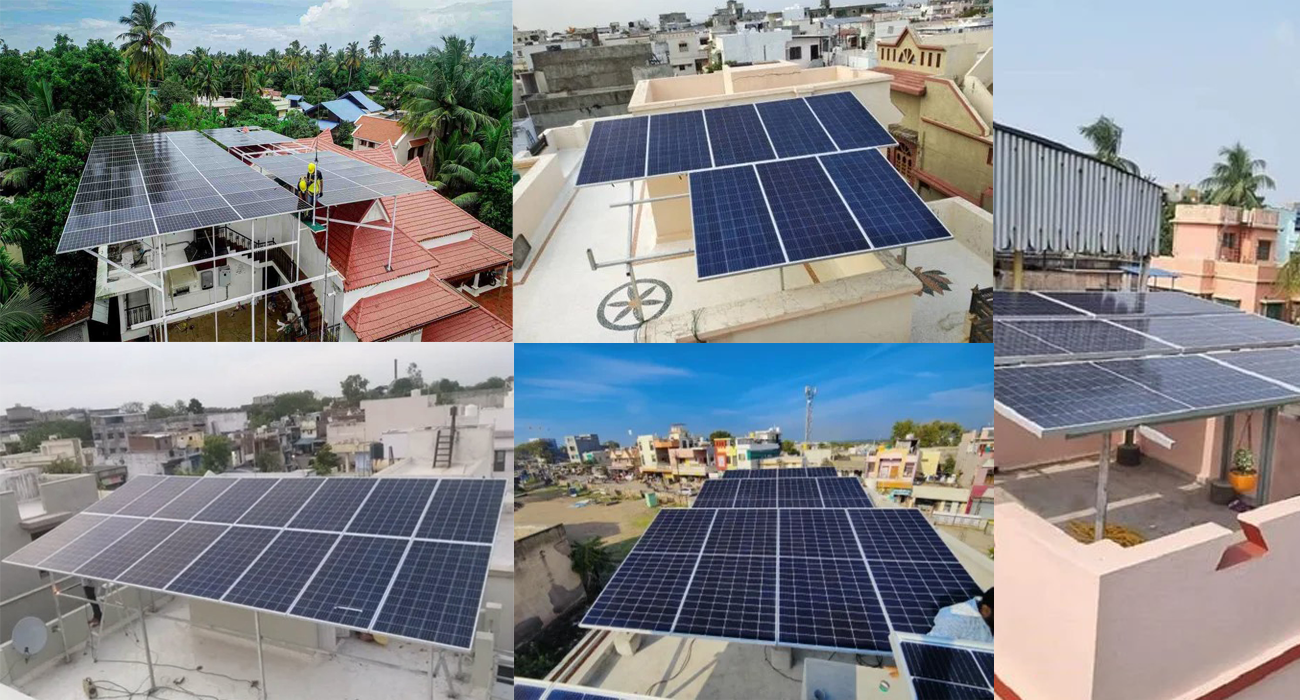

Selecting the right solar panels is one of the most important decisions when planning a solar energy system. The efficiency, durability, and overall performance of the panels directly affect the amount of electricity generated and the long-term return on investment. With various types of solar panels available in the market, homeowners and businesses should carefully evaluate their energy needs, budget, and installation conditions before making a choice.
One of the primary factors to consider is the efficiency of the solar panels. High-efficiency panels convert a greater percentage of sunlight into electricity, making them ideal for locations with limited roof space. Monocrystalline panels are generally known for their superior efficiency and sleek appearance, while polycrystalline panels offer a more cost-effective option with slightly lower efficiency. Thin-film panels, although lightweight and flexible, are typically used for specialized applications where traditional panels may not be suitable.
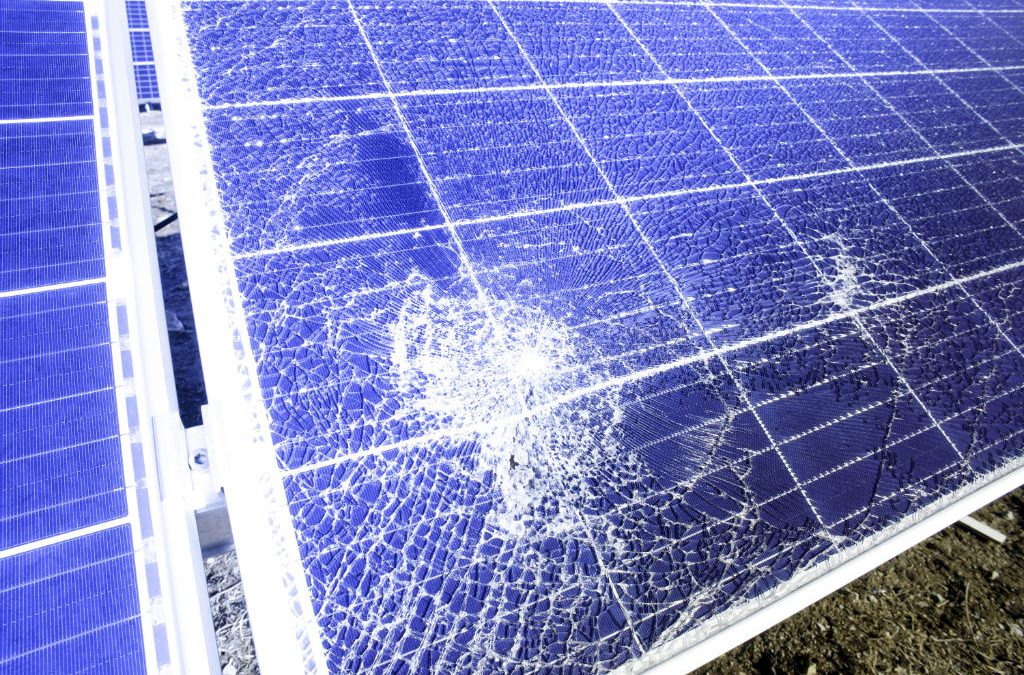
Durability and warranty are equally important when choosing solar panels. Since solar installations are long-term investments, buyers should look for panels that can withstand harsh weather conditions such as heavy rain, strong winds, and high temperatures. Reputable manufacturers often provide performance warranties of 20 to 25 years, ensuring that the panels maintain a significant portion of their energy-generating capacity throughout their lifespan.
Another key consideration is the overall system cost and expected energy output. While lower-priced panels may seem attractive initially, they may not always deliver the best value over time. Evaluating the cost per watt, maintenance requirements, and projected energy savings can help determine the most economical option. Additionally, consulting with qualified solar installers can provide valuable insights into local climate conditions, shading issues, and system design requirements.
Ultimately, the right solar panel choice depends on balancing performance, reliability, and budget. By carefully comparing panel specifications, manufacturer reputation, and long-term benefits, consumers can make informed decisions that maximize energy production and contribute to a sustainable future. A well-chosen solar panel system not only reduces electricity costs but also supports the transition toward cleaner and renewable energy sources.