Solar energy is often heralded as a fiscal and environmental panacea. Panels bask in sunlight, convert photons into electricity, and quietly shrink utility bills. Yet beneath this idyllic image lies a less conspicuous reality. A faulty solar panel can silently erode your savings. What was meant to diminish expenses may instead inflate them. Vigilance, not complacency, is the guardian of solar profitability.
Understanding How Solar Panels Impact Your Electricity Bill
1 Net Metering and Energy Offsets
Net metering is the linchpin of residential solar economics. It allows surplus energy generated during peak sunlight hours to flow back into the grid, earning credits. These credits offset consumption during nighttime or cloudy days.
When a panel underperforms, this delicate equilibrium falters. Reduced output means fewer credits. Fewer credits translate to greater reliance on grid electricity. The arithmetic is unforgiving.
2 Efficiency Ratings and Output Expectations
Each panel carries an efficiency rating, a metric that denotes how effectively it converts sunlight into usable energy. These ratings are not ornamental. They are performance promises.
When degradation or defects compromise efficiency, output dwindles. Even a marginal percentage drop can produce a conspicuous financial ripple over months and years. The compound effect is often underestimated.
Common Causes of Solar Panel Malfunction
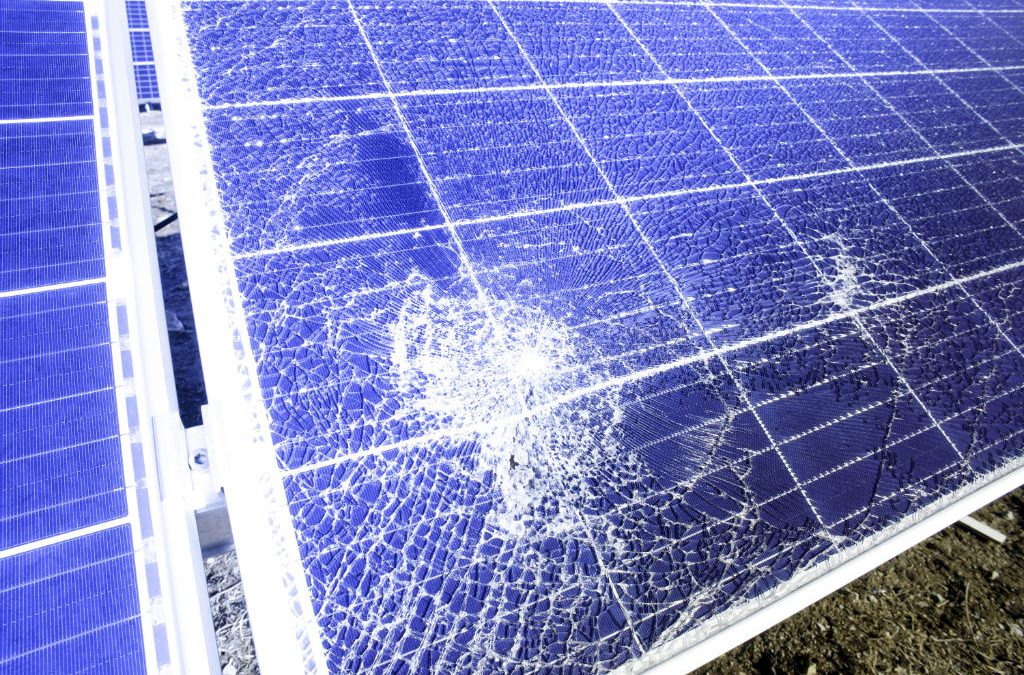
1 Microcracks and Physical Damage
Microcracks are nearly invisible fissures within photovoltaic cells. They can emerge from thermal expansion, improper installation, or transport mishandling.
Though diminutive, these fractures impede electron flow. The result is attenuated performance and potential hotspot formation, which accelerates deterioration.
2 Inverter Failures
The inverter is the cerebral cortex of your solar system. It converts direct current into alternating current suitable for household consumption.
When it falters, the entire system’s productivity collapses. Panels may be generating energy, yet it remains unusable. A malfunctioning inverter can mimic panel inefficiency while quietly inflating your bill.
3 Wiring and Connection Degradation
Cabling and connectors endure constant exposure to environmental elements. Over time, insulation can degrade, and connections may loosen.
Electrical resistance increases. Energy transmission becomes inefficient. What should flow seamlessly instead dissipates as heat and loss.
4 Environmental and Weather Stressors
Hail, high winds, salt-laden air, and extreme temperature fluctuations exert cumulative stress. Even persistent dust accumulation can form an opaque veil over cells.
Nature is relentless. Without mitigation, environmental attrition becomes an invisible saboteur of system efficiency.
Subtle Warning Signs Your Solar Panels Are Underperforming
1 Unexplained Spikes in Utility Bills
An abrupt escalation in your electricity bill is rarely arbitrary. When consumption habits remain constant yet costs rise, diminished solar output may be the culprit.
The increase may be incremental. Subtle. Yet over time, it becomes financially conspicuous.
2 Monitoring System Alerts
Modern solar systems are equipped with monitoring software. These platforms provide granular data on production metrics.
Alerts and discrepancies should never be ignored. A single anomaly can herald systemic inefficiencies that warrant immediate attention.
3 Inconsistent Energy Production
Daily and seasonal variations are natural. However, erratic fluctuations devoid of meteorological explanation are not. Inconsistency signals dysfunction. Stability is the hallmark of a healthy photovoltaic array.
Financial Implications of Ignoring Faulty Panels
1 Reduced Energy Savings
The primary incentive for solar adoption is economic relief. Faulty panels subvert this objective.
Savings diminish gradually, almost imperceptibly. Until annual calculations reveal a disquieting truth.
2 Increased Grid Dependence
When solar output falters, grid consumption surges. The symbiotic relationship between self-generation and public supply becomes skewed.
Dependency increases. Autonomy recedes.
3 Long-Term System Degradation
Neglected issues seldom remain isolated. Minor defects can metastasize into systemic failures.
Procrastination amplifies repair costs and truncates system lifespan. The financial repercussions compound.
Diagnostic Steps to Identify Solar Panel Issues
1 Performance Benchmarking
Establishing a performance baseline is essential. Compare current output to historical data and manufacturer projections.
Deviation beyond expected degradation rates signals a need for intervention.
2 Visual Inspections
Periodic visual examinations can reveal cracks, discoloration, delamination, or debris accumulation.
Though rudimentary, this practice often uncovers anomalies before they escalate.
3 Professional System Audits
Certified technicians employ infrared thermography and advanced diagnostic instrumentation. These audits expose inefficiencies invisible to the naked eye. Precision replaces speculation.
Preventative Maintenance Strategies
1 Scheduled Cleaning and Debris Removal
Accumulated dirt and organic detritus impede sunlight absorption. Routine cleaning restores optimal irradiance exposure. Even a modest layer of grime can suppress output significantly.
2 Regular Electrical Inspections
Periodic examination of inverters, breakers, and wiring ensures systemic integrity. Preventative scrutiny mitigates unexpected failures and prolongs operational longevity.
3 Firmware and Monitoring Updates
Monitoring systems evolve. Firmware updates enhance analytics and fault detection algorithms. Keeping software current refines oversight and preempts latent issues.
Repair or Replace: Making the Right Decision
1 Cost-Benefit Analysis
Repair expenses must be weighed against projected energy recovery. Sometimes remediation is fiscally prudent. Other times, replacement yields superior long-term dividends.
2 Warranty Considerations
Manufacturers often provide performance and product warranties. Understanding coverage terms can substantially reduce out-of-pocket expenditures.
3 Upgrading to Higher-Efficiency Modules
Technological advancements have elevated efficiency benchmarks. Replacing outdated panels with advanced modules may amplify production and accelerate return on investment.
Protecting Your Investment for the Long Term
1 Maintenance Contracts
Professional maintenance agreements provide systematic oversight. They convert reactive repairs into proactive stewardship.
2 Insurance and Coverage Options
Specialized insurance policies safeguard against environmental damage and unforeseen malfunctions.Financial resilience stems from comprehensive protection.
3 Building a Proactive Energy Strategy
Energy management should be intentional. Analyze consumption patterns. Optimize usage during peak production hours. Strategic planning transforms solar ownership from passive asset to dynamic instrument.
Solar panels are not a set-and-forget commodity. They are precision instruments requiring attentive guardianship. A faulty solar panel does more than diminish efficiency. It subverts financial expectations and undermines sustainability goals. Consistent monitoring, timely maintenance, and informed decision-making ensure that solar power remains an asset rather than a liability. Protect the system, and it will protect your savings.